The Sentiero delle Formichelle and the Women Who Built a Landscape
There is a particular kind of trekking route that doesn't just take you through a landscape—it takes you through a story. The Sentiero delle Formichelle, or Formichelle Path, is exactly that. A 4.8 km trail connecting the mountain village of Tramonti to the coastal town of Maiori, carved into the terraced hillside through lush lemon groves, and carrying a name that belongs entirely to the women who made it.
If you're looking for Amalfi Coast trekking that goes beyond the postcard—this is where to start.
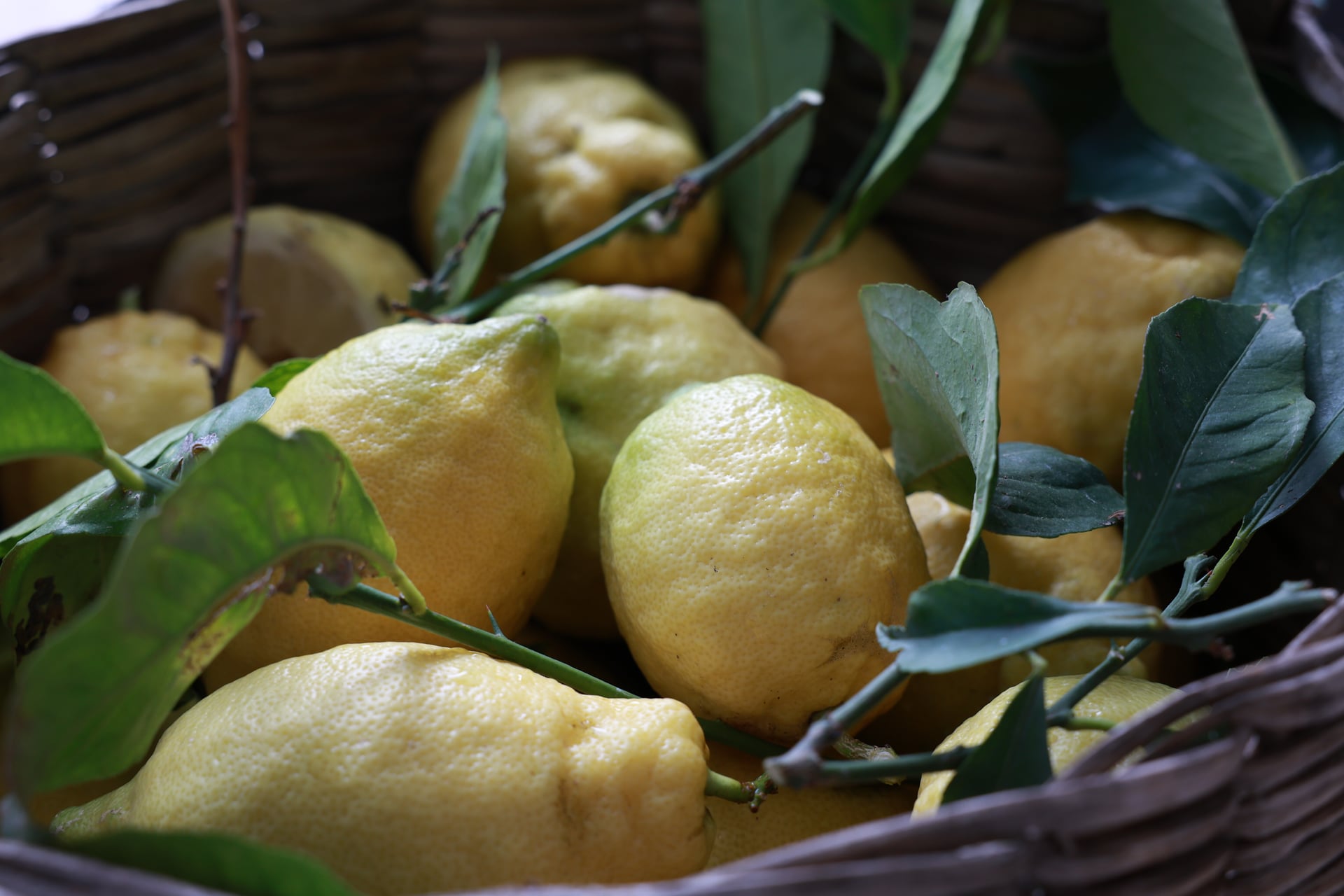
The name means "little ants" in the local dialect, and it was given with a mixture of affection and awe. Until the 1970s, women from Tramonti and the surrounding villages would carry baskets of freshly picked lemons down to the coast at Maiori and Minori—on their heads. Each basket weighed around 55 to 60 kilograms.
They moved in single file, backs straight, feet wrapped in rags for grip on the steep stone steps, descending and ascending the same route multiple times a day. Slowly, steadily, like a column of ants. The scent of freshly cut citrus would announce them before they came into view.
It wasn't poetic at the time—it was work. Hard, relentless, bodily work that kept families fed and kept the lemon trade flowing down to the sea. And the lemon trade was no small thing—the Amalfi Sfusato lemon, introduced by the Arabs in the early Middle Ages, had been sailing the world's oceans since the medieval galleys of the Maritime Republic. By the 18th century, English ships were loading it as a cure for scurvy. By the mid-19th century, it had reached America. The formichelle, quietly and without ceremony, were part of all of it.
The trail (officially CAI 310c) starts from the church of Sant'Elia in Paterno, one of Tramonti's thirteen hamlets, where it intersects with the longer Sentiero delle 13 Chiese. From there, it descends gently at first through the hamlet of Casa Vitagliano before turning onto an unpaved track through the hillside.
The numbers—4.8 km, rated E (intermediate), around 1 hour 45 minutes one way. The altitude range is modest—between 160 and 314 metres—but the terrain is varied and the path earns its classification with some steeper sections, particularly around the Vallone Trapulico, where an ancient water channel cut directly into the rock marks the halfway point.
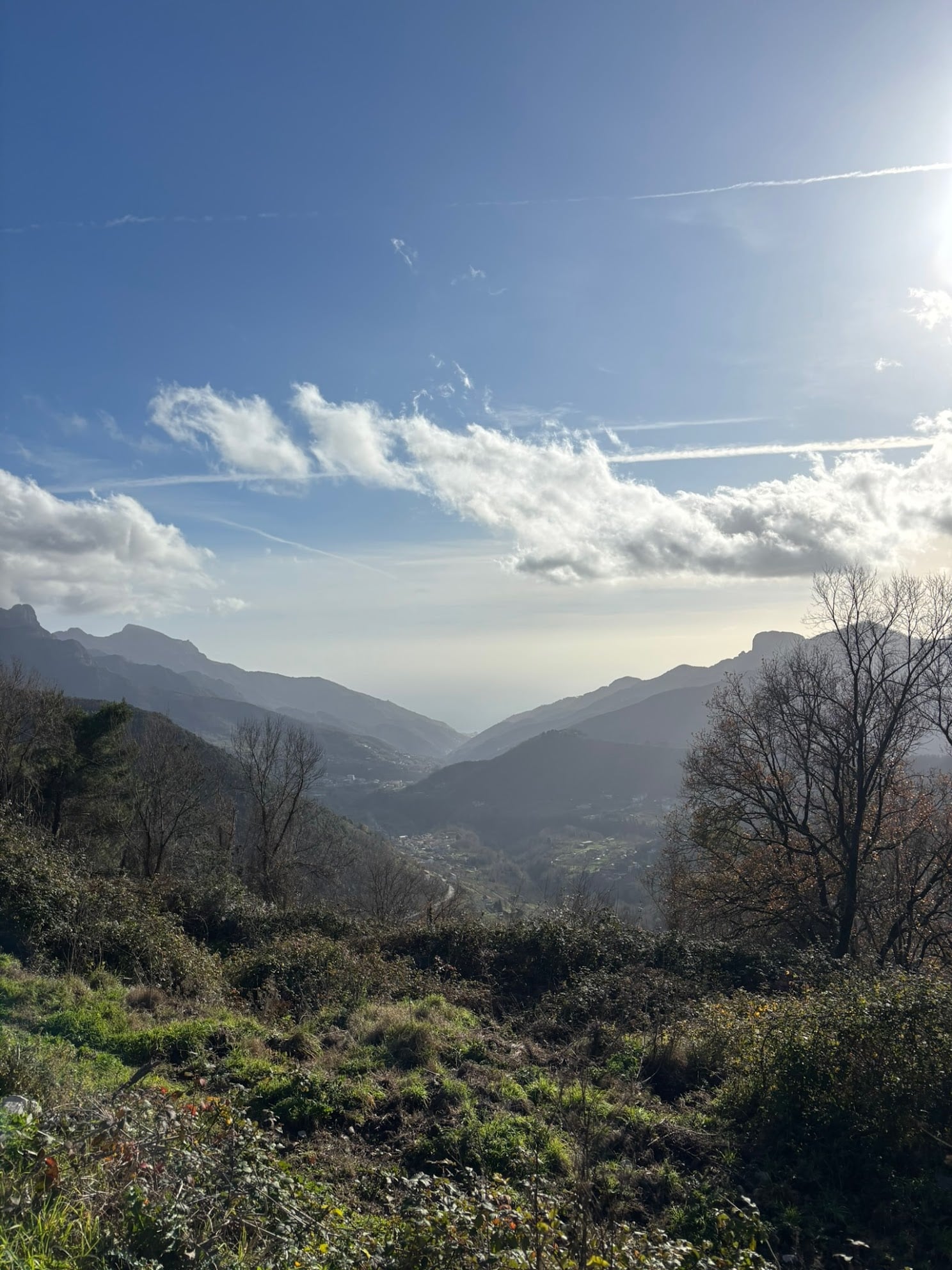
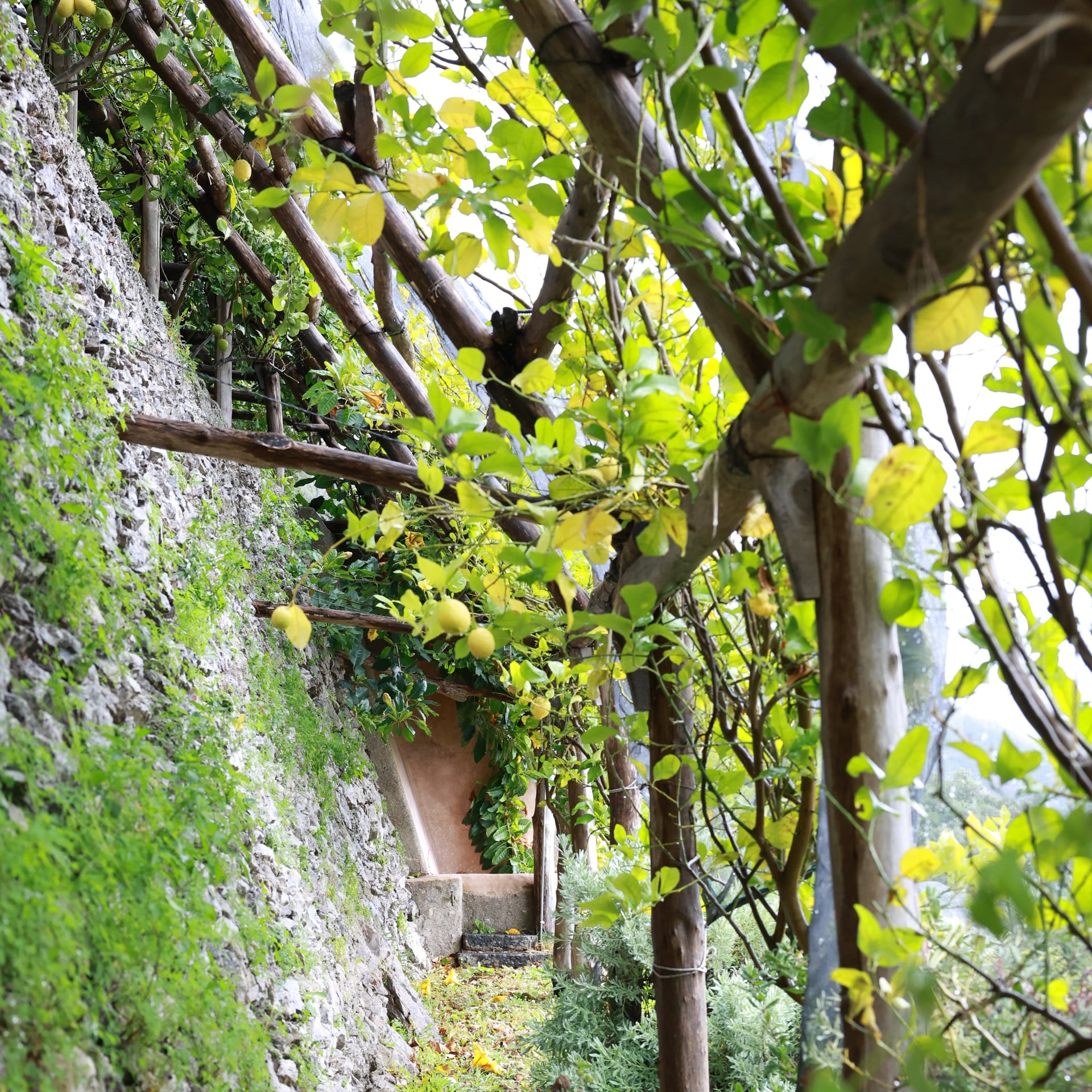
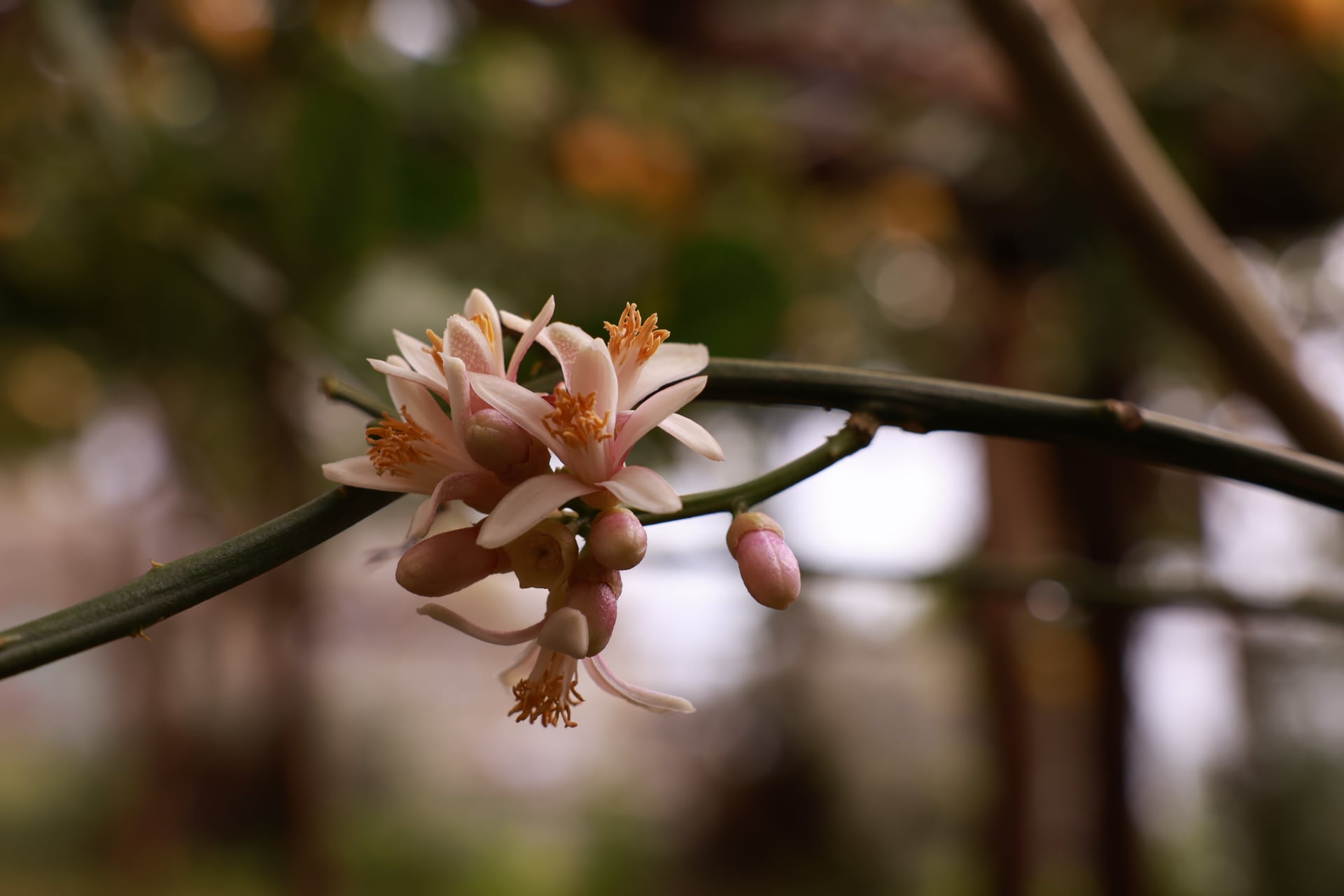
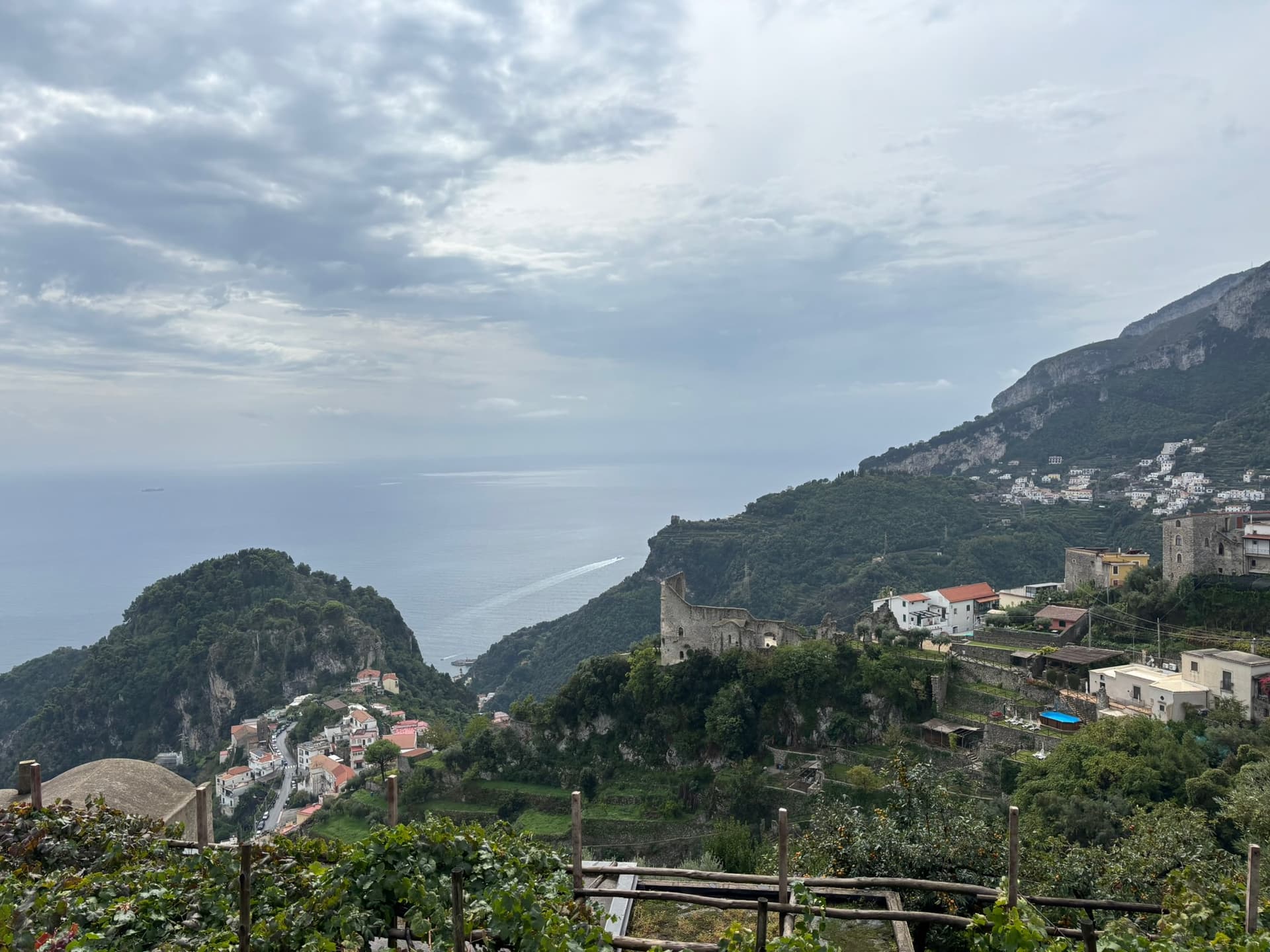
What fills those 1h 45 is remarkable—the path threads through working lemon groves where the fruit hangs at eye level and lower, brushing against you as you walk. Between the trees, dry stone walls—the macere—line every terrace edge, built over centuries to steal flat land from a near-vertical mountain. The views to the sea open and close as the path winds, which means you are never quite prepared for them when they appear.
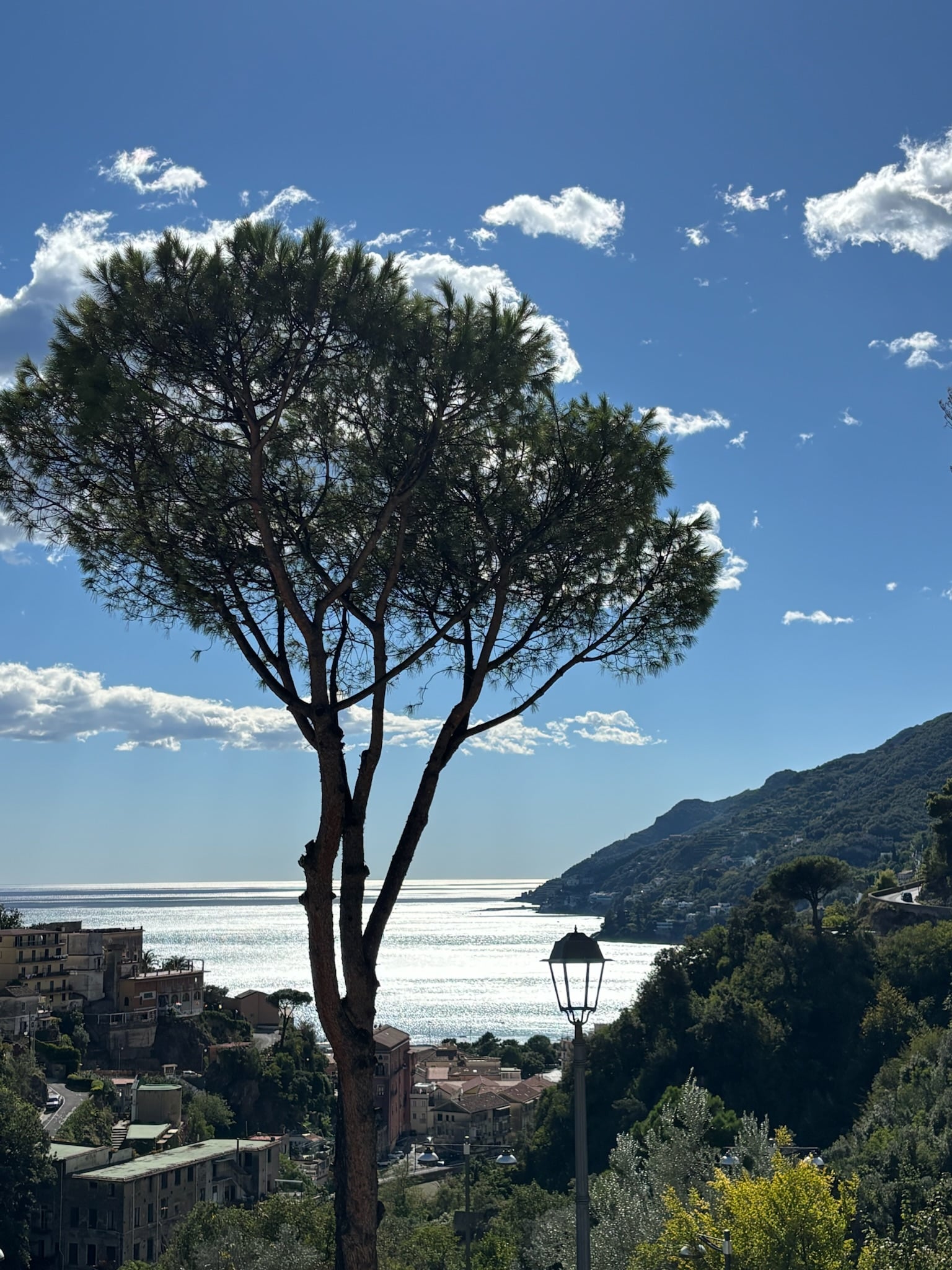
The trail ends at San Gineto, above Maiori, where a small rest area looks out over the coast. From there, another twenty minutes of walking connects you to the famous Sentiero dei Limoni between Minori and Maiori, which makes a good full route if your legs are willing.
The Formichelle path had fallen into disuse and disrepair. Its revival is recent, and it happened because of a young local hiking guide from Tramonti. A few years ago, he decided the path could become something—not a tourist attraction in the manufactured sense, but an experiential route that carried the real history of the place. He gathered volunteers, local associations, and the support of the municipality, and they restored it by hand.
The result was immediate—visits to Tramonti's trekking routes increased by 30%. More importantly, the story of the formichelle found new ears.
The path has since inspired a novel—Il sentiero delle Formichelle by Alessia Castellini, published also in French—and a dessert by celebrated pastry chef Sal De Riso—a layered gâteau of white chocolate, vanilla cream, lemon zest and coffee, named as a tribute to the women of the route.
We started Lemon Appeal because we fell in love with a culture—not just a fruit. The lemon of the Amalfi Coast is extraordinary, but what really made us pause was everything built around it—the terraced hillsides shaped by centuries of patient hands, the artisans who turned citrus into ceramics, liqueurs, textiles and pastries, and the stories of the people who made all of it possible.
The formichelle are one of those stories—women who didn't just harvest a crop, but physically carried an entire economy down a mountain, day after day, in silence. The landscape you walk through on this path—every terrace, every dry stone wall, every lemon grove—exists because of that labour. It's the same landscape that inspired the ceramics we love, the same groves that perfume the products we source.
That connection between people, place and craft is what Lemon Appeal is really about. This path just happens to walk you straight through the middle of it.
Start: Church of Sant'Elia, Paterno (hamlet of Tramonti)
End: San Gineto, above Maiori
Distance: 4.8 km
Duration: approximately 1h 45 one way
Difficulty: E (intermediate, suitable for regular hikers)
GPX file: available on the CAI Monti Lattari website
To reach the start, take the SITA bus line Maiori–Tramonti, or drive to Polvica or Pucara and walk up to Paterno. The path connects to the CAI 310 (Sentiero delle 13 Chiese) and the CAI 315A toward the Lemon Path.
Spring and autumn are the best seasons—lemon groves blossom in March and April, harvest fragrance in October and November. Go on a weekday if you can—you'll want the quiet.